Source Smart Aluminum Stage for Concerts, Theaters, and Weddings
Compare 30 listings of smart aluminum stage systems designed for concerts, theaters, and weddings. Buyers can evaluate loading capacity, folding heights, and platform sizes to find durable, mobile solutions for events.
Key considerations
Products List
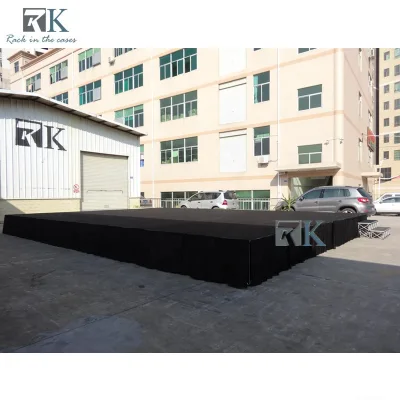
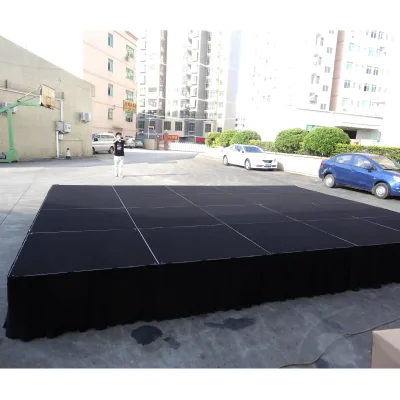
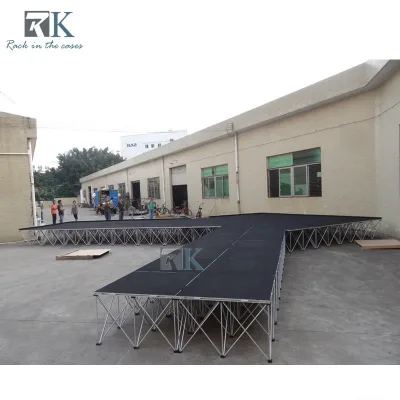
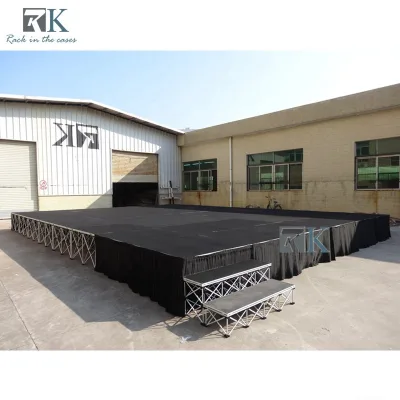
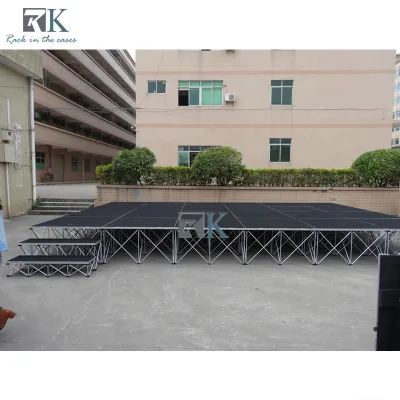
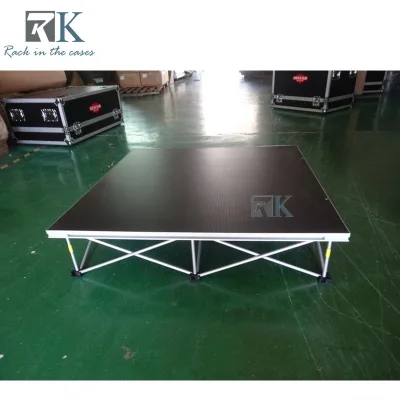


Comprehensive Sourcing Guide
Strategic Sourcing Guide for Smart Aluminum Stage Systems
Understanding the Technical Architecture of Modular Stage Platforms
When sourcing a smart aluminum stage, buyers must first distinguish between the structural framework and the platform surface, as these components dictate the system's overall performance and safety. The core structural element in high-performance systems is typically constructed from aluminum alloy, with specific grades such as 6082-T6 and 6061-T6 appearing frequently in technical specifications. These alloys are selected for their high strength-to-weight ratio, which facilitates the "mobile" and "portable" attributes essential for event production. The platform surface itself often utilizes 18mm laminated plywood or acrylic materials, providing a stable base for performers and equipment while allowing for various finish options like carpet, industrial material, or Tuffcoat.
The modularity of these systems is a defining characteristic. Buyers should look for platforms available in standard geometric configurations, including square, rectangle, quarter-round, and triangle shapes. Common dimensional specifications observed in the market include 1x1m, 1x2m, and 3x3ft or 4x4ft units. The ability to customize the shape is a critical feature for complex stage designs, allowing integrators to create unique layouts for concerts, theaters, or trade shows. Furthermore, the folding riser height is a variable that significantly impacts the stage's versatility. Available configurations often range from 10cm to 100cm, with options for custom-made heights to suit specific venue requirements. The assembly process typically involves welding or mechanical locking, ensuring a rigid connection between the aluminum frame and the plywood topping.
Compliance, Certification, and Load Capacity Verification
Safety and regulatory compliance are non-negotiable in the procurement of stage equipment, particularly for large-scale events involving heavy loads. A primary technical specification that buyers must verify is the maximum loading capacity. In the current market, a high-confidence benchmark for robust smart stage systems is a capacity of 750 kg/sqm or 750 kg/m2. This figure represents the distributed load the platform can safely support, which is critical when calculating the weight of lighting rigs, sound equipment, and the number of performers on stage simultaneously.
Regarding certifications, buyers should request documentation to validate the product's adherence to international quality and safety standards. While specific certification statuses vary by manufacturer, TUV certification is a recognized standard that indicates the product has undergone rigorous testing for safety and quality. It is important to note that while industry standards such as EN 13789, ISO 9001, and ISO 9001:2015 are often referenced in the broader sector, buyers must verify that the specific supplier provides current, valid certificates for their specific batch of goods rather than relying on general industry claims. The warranty period is another indicator of manufacturer confidence; a standard warranty of 3 years is common, with some suppliers projecting a quality assurance lifespan of 8-10 years under normal use conditions.
Cost Drivers and Pricing Dynamics in the Market
The pricing of smart aluminum stage systems is influenced by a complex interplay of material costs, manufacturing complexity, and logistical factors. The observed price range for these products in the current market spans from approximately 32 to 180 USD per unit. This wide variance is not arbitrary but is driven by several key cost drivers. The primary factor is the raw material composition; systems utilizing high-grade Aluminum 6082-T6 or 6061-T6 will command a higher price point compared to those using lower-grade aluminum or alternative materials. Additionally, the thickness of the platform surface, such as the 18mm plywood specification, directly impacts material costs and structural integrity.
The level of customization also plays a significant role in the final price. Standard square or rectangular units are generally more affordable, whereas custom shapes, unique surface finishes like Plexiglass, or specialized folding mechanisms increase production costs. The packaging method is another variable; systems shipped in flight cases or trolleys for easy transport incur higher packaging costs compared to those in standard cartons. Buyers should also consider the Minimum Order Quantity (MOQ) as a cost driver. The observed MOQ range is between 1 and 30 units. Purchasing at the lower end of this spectrum may result in a higher unit cost, while bulk orders can leverage economies of scale. However, buyers must balance the desire for lower unit prices against the storage and logistical constraints of holding large inventory, especially given the "Easy Store and Collapsible" nature of these products.
Typical Applications and Functional Versatility
Smart aluminum stages are designed with a broad spectrum of applications in mind, making them a versatile asset for event planners and production companies. The primary application areas include concerts, theater productions, weddings, and trading shows. The modular nature of the system allows it to be adapted for auditoriums, churches, and school performances, where the need for a stable, elevated platform is paramount. The "smart" aspect of these stages often refers to their rapid assembly and disassembly capabilities, which are crucial for touring productions that require setup and teardown within tight timeframes.
The surface finish options further expand the utility of these stages. For outdoor events, the use of industrial materials or Tuffcoat provides durability against weather elements, while carpet finishes are preferred for indoor theater and wedding settings to enhance aesthetics. The inclusion of accessories such as stairs, guard rails, stage draping, wheel ramps, and chair stops allows for a complete stage ecosystem. These accessories are essential for ensuring safety compliance and accessibility, particularly for events involving large audiences or complex lighting setups. The ability to adjust the height of the riser from 0.2m to 1.0m in various increments allows producers to create tiered stages or single-level platforms depending on the visual requirements of the event.
Supplier Evaluation and Geographic Considerations
When evaluating potential suppliers for smart aluminum stages, geographic origin and manufacturing capabilities are critical factors. A significant portion of the global supply for these products originates from Guangdong and Guangzhou, China, regions known for their advanced manufacturing infrastructure in the aluminum and event equipment sectors. Buyers should verify the "place of origin" and "factory visit" policies of potential suppliers. Many manufacturers welcome factory visits, which provides an opportunity to inspect the welding quality, assembly processes, and quality control measures firsthand.
The lead time is another vital metric for supplier evaluation. Typical delivery times range from 3 to 7 working days, depending on the order volume and customization level. Buyers must ensure that the supplier's lead time aligns with their project schedule, especially for time-sensitive events. Service levels are also important; a 24-hour service commitment indicates a supplier's readiness to address urgent inquiries or technical issues. When comparing suppliers, buyers should look for those offering a comprehensive range of accessories and customization options, as this indicates a more mature production capability. It is also prudent to check the supplier's history regarding quality assurance, looking for evidence of long-term product durability and consistent performance over the claimed 8-10 year lifespan.
Quality Control and Long-Term Procurement Strategy
Implementing a robust quality control strategy is essential for ensuring the longevity and safety of smart aluminum stage systems. Buyers should prioritize suppliers who offer a clear warranty, such as the 3-year warranty observed in the market, and who can demonstrate a track record of producing durable, heavy-load capable equipment. The "Non-Rust" feature of the aluminum frame is a key quality indicator, ensuring that the equipment remains functional even in humid or outdoor environments. Regular inspection of the welding points and the integrity of the locking mechanisms should be part of the pre-event checklist.
For long-term procurement, buyers should consider the total cost of ownership rather than just the initial purchase price. The "Durable" and "Heavy Load" attributes of the stage suggest a long service life, but proper maintenance is required to achieve the 8-10 year quality assurance period. Buyers should establish a maintenance schedule that includes checking the surface material for wear and tear, ensuring the folding mechanisms operate smoothly, and verifying the structural integrity of the aluminum frame. Additionally, the "Easy Store and Collapsible" features should be utilized to minimize storage space and reduce the risk of damage during transit. By selecting suppliers who offer comprehensive after-sales support and clear documentation on maintenance, buyers can ensure their investment in smart aluminum stages remains a reliable asset for years to come.
Comparative Analysis of Key Specifications
To assist buyers in making informed decisions, the following table summarizes the key technical specifications and attributes observed in the current market for smart aluminum stages. This comparison highlights the variability in features that buyers should prioritize based on their specific event requirements.
| Specification Category | Common Observation | Variance / Customization Options |
|---|---|---|
| Frame Material | Aluminum Alloy 6061-T6 / 6082-T6 | Custom alloys available; Frame Color typically Silver |
| Platform Surface | 18mm Plywood / Laminated Plywood | Options include Carpet, Industrial Material, Tuffcoat, Plexiglass |
| Maximum Load | 750 kg/sqm (or kg/m2) | Custom load ratings may be available upon request |
| Riser Height | 10cm to 100cm | Adjustable ranges: 0.2-0.3m, 0.4-0.6m, 0.6-1m; Custom heights |
| Platform Shape | Square, Rectangle | Quarter-round, Triangle, Custom shapes |
| Dimensions | 1x1m, 1x2m, 3x3ft, 4x4ft | Standard sizes; Custom dimensions available |
| Accessories | Stair, Guardrail, Skirt, Ramp | Wheel ramp, Chair stop, Stage draping, Trolley |
| Lead Time | 3-5 days to 5-7 working days | Depends on customization and order volume |
| Warranty | 3 Years | Extended warranties may be negotiable |
| Certification | TUV | EN 13789, ISO 9001 (Verify specific batch status) |
This table serves as a reference point for buyers to ensure that the products they source meet the necessary technical and safety standards for their specific applications. By carefully evaluating these specifications against the requirements of their events, buyers can secure smart aluminum stage systems that offer the optimal balance of safety, durability, and flexibility.
FAQs
What is the maximum loading capacity of the smart aluminum stage?
The maximum loading capacity is 750 kg per square meter. This high load rating ensures safety for heavy equipment and multiple performers during concerts or trade shows.
Which raw materials are used to construct the stage frame?
The frame is constructed from Aluminum 6082-T6 or Aluminum Alloy 6061-T6. These high-grade alloys provide a durable, non-rust structure suitable for mobile and outdoor applications.
Can the stage height be adjusted for different event needs?
Yes, the folding riser height is adjustable ranging from 10cm to 100cm. Custom-made heights are also available to meet specific venue requirements or design preferences.
What certifications verify the quality and safety of the product?
The product holds TUV certification to validate its adherence to international safety standards. This ensures the stage meets rigorous testing requirements for structural integrity and user safety.
How long does it take to deliver the smart stage equipment?
The typical lead time is between 3 to 7 working days. Delivery speed may vary slightly depending on the order volume and the level of customization requested by the buyer.
Which surface materials are available for the stage platform?
Available surface options include 18mm plywood, carpet, industrial material, Tuffcoat, and Plexiglass. These choices allow customization for indoor theaters, outdoor concerts, or specific aesthetic requirements.
What is the minimum order quantity for purchasing these stages?
The minimum order quantity ranges from 1 to 30 units. Buyers can order single items or bulk quantities depending on their event scale and storage capabilities.
Where are these smart aluminum stages manufactured and shipped from?
The products originate from Guangdong and Guangzhou, China. Many manufacturers welcome factory visits to inspect the welding quality and assembly processes before placing an order.